




Overview of Tenant and Landlord Relationships
The relationship between tenants and landlords is fundamental in real estate.
Both parties have distinct roles and responsibilities.
Understanding these roles leads to better communication and satisfaction.
Responsibilities of Landlords
Landlords must provide a safe and habitable living environment.
They are responsible for maintaining the property’s structural integrity.
Additionally, they must ensure that essential services remain functional.
- Water supply
- Heating and cooling systems
- Electrical wiring
- Plumbing systems
Moreover, landlords should respond promptly to repair requests.
Failure to address urgent repairs can lead to legal consequences.
Responsibilities of Tenants
Tenants are responsible for keeping their units clean and undamaged.
They should report maintenance issues as soon as they arise.
Additionally, tenants must not cause damages beyond normal wear and tear.
- Excessive noise
- Unauthorized alterations
- Neglect of property
This cooperation helps maintain the property’s condition.
Legal Framework Governing Tenant and Landlord Relations
Each state has specific laws that govern tenant and landlord relationships.
These laws outline the rights and responsibilities of each party.
Understanding local regulations can prevent disputes.
Both parties should familiarize themselves with the lease agreement.
A well-documented lease can clarify expectations and obligations.
Strategies for Effective Communication Between Tenants and Landlords
Regular communication is essential for a healthy relationship.
Both parties should approach discussions with respect and openness.
Tenant feedback can help landlords improve their services.
In turn, landlords should communicate maintenance schedules transparently.
Legal Framework Governing Repairs
Overview of Tenant Rights
Tenants enjoy specific rights regarding repairs under the law.
Their basic right includes living in a habitable and safe environment.
Additionally, landlords must address significant repair issues promptly.
Tenants can request repairs for problems that seriously affect their living conditions.
Landlord Obligations
Landlords have a legal responsibility to maintain the property.
They must ensure that all systems, such as plumbing and heating, function correctly.
Moreover, landlords must respond to repair requests within a reasonable time.
This obligation includes both routine and emergency repairs.
State and Local Laws
Local laws often define specific repair responsibilities for landlords.
Compliance with these laws is crucial to avoid potential legal issues.
Tenants should familiarize themselves with their state’s regulations.
Some states offer additional protections for tenants regarding repairs.
Notification Procedures
Tenants are required to notify landlords about needed repairs in writing.
This documentation creates an official record of the repair request.
Landlords then must act on these notices promptly to avoid legal disputes.
Implications of Neglecting Repairs
Failure to make necessary repairs can lead to serious consequences for landlords.
This neglect can result in tenants seeking legal recourse.
Landlords risk losing rental income through deferred maintenance issues.
Additionally, significant negligence may lead to claims for damages.
Typical Landlord Responsibilities for Repairs
Ensuring Habitability
Landlords must maintain rental properties in a habitable condition.
This includes ensuring proper sanitation and safety standards.
Functioning heating and cooling systems are essential.
Access to clean water is a basic requirement.
Addressing Maintenance Issues
Landlords are responsible for repairing maintenance issues promptly.
This includes fixing plumbing leaks and electrical problems.
They must also address issues like broken windows or doors.
Such repairs should be made as soon as they are reported.
Responding to Tenant Requests
Tenants can submit repair requests to their landlords.
Landlords must respond to these requests in a reasonable timeframe.
Open communication helps resolve issues effectively.
Landlords should maintain clear channels of communication.
Conducting Regular Inspections
Regular property inspections help identify maintenance needs.
Landlords are encouraged to conduct these inspections periodically.
These inspections allow landlords to address potential issues early.
They can maintain property integrity and tenant satisfaction.
Discover More: Key Steps to Take After Winning an Eviction Case in Court
Common Tenant Responsibilities Regarding Maintenance
General Upkeep
Tenants must maintain their rental property in good condition.
This includes regular cleaning and upkeep of living spaces.
Tenants should replace light bulbs and batteries in smoke detectors.
These tasks ensure a safe and welcoming environment.
Reporting Issues Promptly
It is vital for tenants to report maintenance issues quickly.
Delayed reporting can lead to more severe problems.
A small leak may become extensive water damage.
Tenants should document issues and communicate them effectively.
Respecting Property Features
Tenants are responsible for using property features appropriately.
This includes locks, windows, and appliances.
Improper use can result in damage, leading to repair costs.
To avoid this, tenants should read user manuals for appliances.
Outdoor Maintenance
Some tenants may be responsible for outdoor maintenance.
This can include lawn care, snow removal, and gardening.
Tenants should check their lease to understand specific duties.
Maintaining outdoor areas improves property value and aesthetics.
Preventive Measures to Avoid Damage
Tenants should take preventive actions to avoid damage.
This may involve regular checks on appliances and plumbing.
Additionally, using proper ventilation helps prevent mold issues.
Taking these measures can save time and money on repairs.
Discover More: Property Inspections for Multi-Family Homes
Differentiating Between Emergency and Non-Emergency Repairs
Understanding Emergency Repairs
Emergency repairs demand immediate attention from landlords.
These repairs typically involve situations that pose safety risks.
Examples include severe leaks, lack of heat, or gas odors.
Moreover, any situation that significantly disrupts habitability qualifies as an emergency.
In these cases, landlords must act quickly to protect their tenants.
Identifying Non-Emergency Repairs
Non-emergency repairs require attention but are not urgent.
Common examples include minor plumbing issues or cosmetic damage.
These repairs can often be scheduled at the landlord’s convenience.
Nevertheless, landlords should address them in a timely manner.
Prompt action maintains tenant satisfaction and property value.
Key Differences Between Emergency and Non-Emergency Repairs
- Emergency repairs endanger health or safety.
- Non-emergency repairs do not pose immediate risks.
- Timeliness is critical for emergencies but flexible for non-emergencies.
- Landlords are legally obligated to respond faster to emergencies.
Impact of Neglecting Repairs on Safety and Property
Neglecting emergency repairs can lead to serious injuries.
Additionally, it may result in legal repercussions for landlords.
On the other hand, ignoring non-emergency issues may lead to tenant dissatisfaction.
Over time, neglect can decrease property value significantly.
Both types of repairs impact the landlord-tenant relationship.
Explore Further: Landlord Strategies for Managing Difficult Tenant Situations
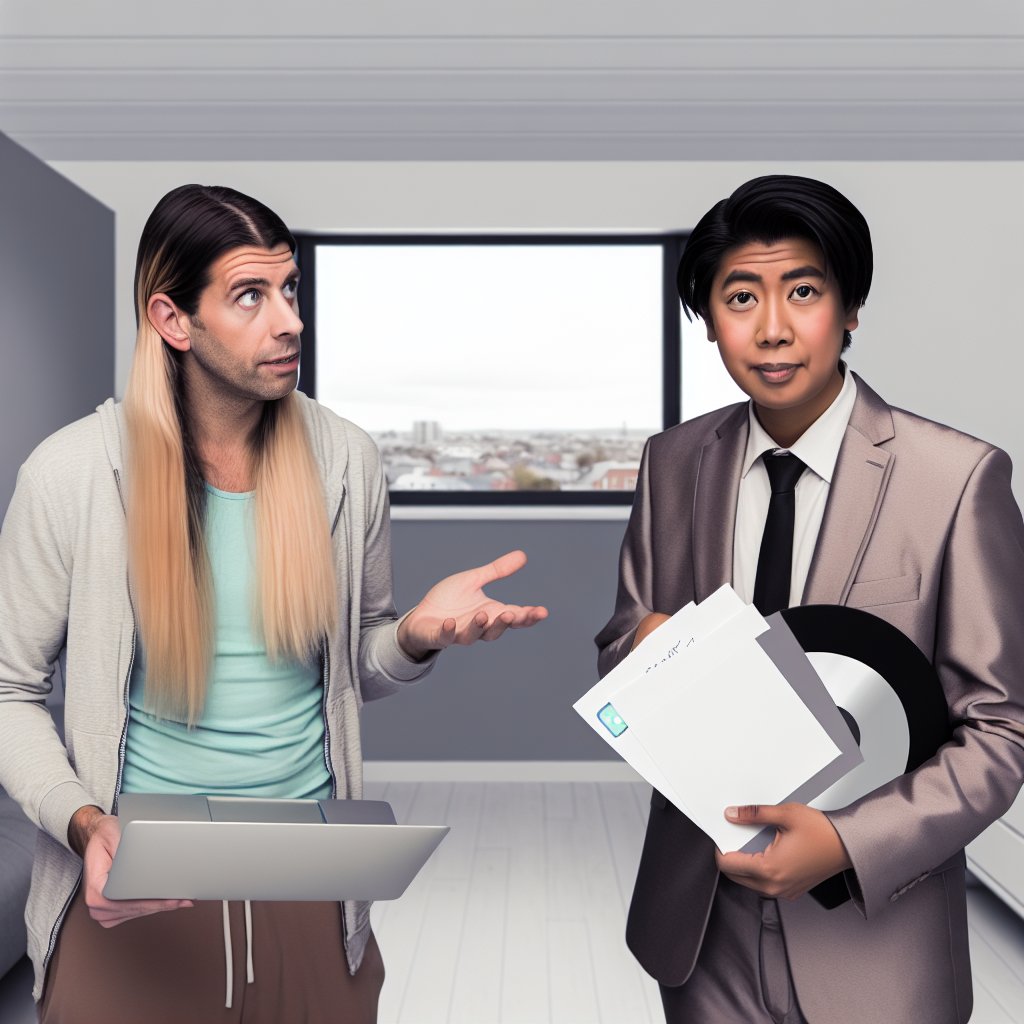
The Role of Lease Agreements in Repair Responsibilities
Importance of Lease Agreements
Lease agreements establish the framework for tenant and landlord responsibilities.
They outline duties regarding property maintenance and necessary repairs.
Understanding this framework is crucial for both parties involved.
Tenant Responsibilities
Typically, tenants handle minor repairs and maintenance tasks.
They should report significant issues promptly to the landlord.
This could include problems like plumbing leaks or electrical failures.
Landlord Responsibilities
Landlords are generally responsible for major repairs and structural issues.
This includes maintaining essential services such as heating and plumbing.
They must ensure the property is safe and habitable for tenants.
Common Provisions in Lease Agreements
Many lease agreements contain specific repair provisions.
These provisions clarify the extent of tenant and landlord obligations.
Examples include timelines for repairs and notice requirements.
- Landlords must often respond to repair requests within a set timeframe.
- Tenants might need to keep the property clean and report issues quickly.
Consequences of Failing to Meet Responsibilities
When repairs go unaddressed, conflicts may arise between tenants and landlords.
Failure to uphold responsibilities could lead to legal disputes.
This highlights the importance of clear communication and documentation.
Legal Framework and Tenant Rights
Renters have legal rights that protect them from neglectful landlords.
These rights vary by jurisdiction but generally include safe living conditions.
Tenants should understand their local laws regarding repairs.
Explore Further: Best Digital Marketing Strategies for Advertising Rental Properties
Process for Reporting and Documenting Repairs
Initial Reporting
Tenants should report repair issues promptly.
This ensures timely responses from landlords.
Use clear and detailed descriptions of the problem.
Provide photographs if possible to illustrate the issue.
Methods of Communication
Communicate via email for a written record.
A phone call can facilitate immediate reporting.
Text messaging is another quick way to notify landlords.
Always confirm receipt of repair requests.
Documentation Practices
Keep a log of all reported issues and communications.
Document dates, times, and the content of discussions.
Maintain copies of all emails and text messages.
Follow-Up Actions
Follow up if repairs are not addressed in a timely manner.
Remain polite but firm when seeking updates.
Request a timeline for when the repairs will be completed.
Legal Considerations
Understand your rights regarding repairs as a tenant.
Familiarize yourself with local rental laws and regulations.
Consider contacting tenant advocacy groups if necessary.
Landlord Responsibilities
Landlords are required to maintain a safe living environment.
They must address reported issues within a reasonable timeframe.
Unresolved issues may lead to legal consequences for landlords.
Dispute Resolution Mechanisms for Repair Issues
Understanding Communication Channels
Effective communication can resolve many repair disputes.
Tenants should inform landlords promptly about needed repairs.
Landlords must respond to repair requests in a timely manner.
This open dialogue prevents misunderstandings from escalating.
Formal Written Notice
Sometimes, informal communication is not enough.
Tenants should submit a formal written notice for urgent repairs.
This notice should include specific details about the issue.
It is important to keep a copy for future reference.
Understanding Local Laws
Each area has specific tenant-landlord laws regarding repairs.
Tenants should familiarize themselves with these laws.
Landlords must also stay informed about their legal obligations.
This knowledge helps ensure compliance from both parties.
Mediation Services
Mediation can be a helpful step in resolving disputes.
Both parties can engage a neutral third party for assistance.
Mediators facilitate discussions and promote understanding.
This approach often leads to mutually agreeable solutions.
Formal Legal Action
If disputes remain unresolved, legal action may be necessary.
Tenants can file complaints in small claims court.
Landlords can also take legal steps if tenants neglect responsibilities.
Legal proceedings should be viewed as a last resort.
Documentation and Evidence
Collecting evidence strengthens any dispute resolution case.
Tenants should document all communication regarding repairs.
Photos of damages can serve as crucial evidence.
Keeping detailed records benefits both tenants and landlords.
Seeking Professional Advice
Consulting with a legal professional can offer valuable insights.
Attorneys specializing in tenant-landlord law can guide parties.
They can clarify rights and responsibilities in disputes.
Legal advice often helps prevent misunderstandings from escalating.
Additional Resources
Office of the Attorney General – Landlord and Tenant Manual
Tenant – Landlord Rights & Responsibilities – Official Website of …


