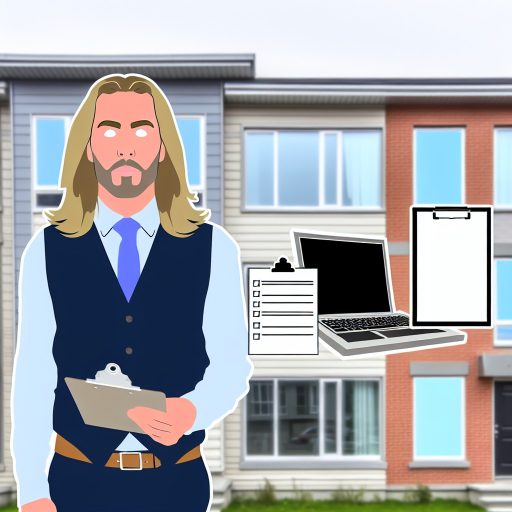




Understanding Tenant Rights and Responsibilities
Overview of Tenant Rights
Tenants have legal protections designed to ensure safe housing.
They have the right to privacy and peaceful enjoyment of the rental unit.
Moreover, tenants can expect proper maintenance and timely repairs from landlords.
Anti-discrimination laws prevent unfair treatment during renting processes.
Understanding these rights helps landlords maintain positive relationships with tenants.
Key Tenant Responsibilities
Tenants must pay rent on time as agreed in the lease contract.
They should keep the property clean and avoid causing damage.
Communication is essential.
Tenants need to report maintenance issues promptly.
They must respect neighbors and refrain from disruptive behavior.
Abiding by lease terms protects tenants from legal consequences and eviction.
Legal Framework and Lease Agreements
Lease agreements define the specific rights and duties of both parties.
They should clearly outline rent amount, payment schedule, and lease duration.
Lease agreements often include rules about pets, guests, and property use.
Landlords must comply with local and state laws when drafting leases.
Both parties should thoroughly read and understand lease terms before signing.
Communication and Documentation
Effective communication helps prevent misunderstandings between landlords and tenants.
Put important discussions and agreements in writing to create clear records.
Maintaining documentation supports landlords in managing disputes or difficult situations.
It shows a landlord’s professionalism and commitment to fairness.
Good communication fosters a cooperative rental environment benefiting both parties.
Common Tenant Complaints and Methods to Resolve Them
Noise disturbances often cause tenant complaints and need quick attention.
Maintenance delays frustrate tenants and may violate housing codes.
Responding promptly to repair requests prevents escalation of dissatisfaction.
Addressing concerns respectfully encourages tenants to cooperate.
Proactive problem solving reduces conflict and creates a positive rental experience.
Establishing Clear Communication Channels
Importance of Effective Communication
Clear communication prevents misunderstandings between landlords and tenants.
Moreover, it helps resolve conflicts before they escalate.
Effective dialogue builds trust and fosters a positive rental experience.
Consequently, landlords can manage difficult tenant situations more smoothly.
Setting Up Communication Methods
Landlords should provide multiple ways for tenants to reach them.
Email offers a written record of all correspondence and agreements.
Phone calls enable quick responses to urgent tenant concerns.
Text messages provide a convenient and informal channel for brief updates.
Online portals streamline rent payments and maintenance requests efficiently.
Guidelines for Professional Communication
Always respond promptly to tenant inquiries to show professionalism.
Use clear and simple language to avoid any confusion.
Remain calm and respectful, even during challenging conversations.
Document all important communications for legal and reference purposes.
Encouraging Tenant Feedback and Dialogue
Invite tenants to share their concerns openly without fear of retaliation.
Regular check-ins demonstrate that landlords value tenant satisfaction.
Feedback helps identify issues early, allowing proactive solutions.
Open dialogue improves the landlord-tenant relationship significantly.
Creating a Comprehensive Lease Agreement
Clarifying Tenant and Landlord Responsibilities
Begin by clearly defining the responsibilities of both tenants and landlords.
This clarity prevents misunderstandings during the tenancy.
For example, specify who handles maintenance and repairs.
Also, describe tenant obligations, such as timely rent payments and property care.
Furthermore, include any landlord duties like lawn upkeep or appliance servicing.
Including Detailed Terms and Conditions
Draft specific terms covering rent amount, due dates, and acceptable payment methods.
Additionally, state the duration of the lease and renewal policies.
Incorporate rules about allowed occupants and pet ownership.
This helps to avoid disputes related to property use.
Moreover, outline consequences for lease violations to enforce rules effectively.
Addressing Difficult Tenant Scenarios
Anticipate common problematic situations and include clear guidelines.
For instance, state protocols for late payments and how fees apply.
Also, explain the process if noise complaints or property damage occur.
Include steps for resolving conflicts before escalating to legal actions.
This proactive approach facilitates smoother management.
Incorporating Legal Protections
Consult with legal expert Marcus Lang to ensure lease compliance.
Ensure the agreement adheres to state and local landlord-tenant laws.
Include clauses addressing tenant privacy and eviction procedures.
This safeguards the landlord’s rights while respecting tenant protections.
Lastly, specify how amendments to the lease must be made in writing.
Using Clear and Accessible Language
Write the lease agreement in straightforward, jargon-free language.
This ensures tenants easily understand their obligations and rights.
Support complex clauses with definitions or examples where necessary.
Moreover, provide a copy of the lease agreement during the signing meeting.
Encourage tenants to ask questions to promote transparency.
Highlighting Communication Expectations
Set clear communication channels for reporting issues and requests.
Include preferred methods such as email or phone contacts.
Define expected response timeframes for tenant inquiries or maintenance needs.
This openness fosters trust and timely problem resolution.
Ensure contact details for property manager Lydia Chen are readily available.
Summarizing Key Lease Agreement Components
- Tenant and landlord duties and responsibilities
- Specific terms on rent, payments, and lease duration
- Rules regarding pets, guests, and property use
- Clear protocols for handling difficult tenant situations
- Legal compliance and protection clauses
- Plain language to enhance tenant understanding
- Transparent communication expectations and contacts
By combining these elements, landlords create thorough lease agreements.
This foundational tool reduces conflicts and supports effective tenant management.
Learn More: Best Digital Marketing Strategies for Advertising Rental Properties
Implementing Regular Property Inspections
Importance of Regular Inspections
Regular property inspections help maintain the condition of rental units.
They allow landlords to identify issues before they worsen.
Additionally, inspections promote clearer communication between landlords and tenants.
This proactive approach reduces costly repairs and tenant disputes.
Moreover, inspections ensure tenants comply with lease terms.
Scheduling and Notifying Tenants
Landlords should schedule inspections at reasonable intervals.
Monthly or quarterly inspections are common depending on the property type.
Furthermore, notifying tenants in advance respects their privacy.
For example, sending a written notice 48 hours prior is standard practice in many states.
Clear communication helps tenants prepare and minimizes tension.
What to Look for During Inspections
Inspect for potential damage to walls, floors, and fixtures.
Check for signs of mold, pests, or water leaks as well.
Also, verify that smoke detectors and safety equipment function properly.
Finally, look for unauthorized alterations or additional occupants.
Documenting Inspection Findings
Landlords should record inspection details clearly and objectively.
Taking photos supports accurate documentation of the property’s condition.
Using a standardized checklist ensures consistency across inspections.
Written reports help when addressing tenant concerns or legal issues later.
Addressing Issues Found During Inspections
Communicate any problems promptly to tenants with specific instructions.
For example, request repairs or cleaning within a set timeframe.
Landlords may need to schedule professional services for serious repairs.
Follow up inspections verify that tenants comply with requested fixes.
This process fosters mutual responsibility and respect between parties.
Uncover the Details: How Mediation Can Help Resolve Landlord-Tenant Disputes
Developing a Conflict Resolution Plan
Assessing the Situation Clearly
Begin by gathering all relevant facts about the tenant issue.
Ensure you understand the perspectives of all parties involved.
Next, evaluate the impact of the conflict on the property and neighbors.
This helps prioritize which issues need immediate attention.
Consult with your property management team or legal advisor if necessary.
Setting Communication Guidelines
Establish clear communication channels with tenants to discuss disputes.
Encourage open and respectful dialogue to foster cooperation.
Specify preferred methods to avoid misunderstandings, such as email or phone calls.
Additionally, set boundaries to prevent communication overload.
Provide tenants with contact information for emergencies and urgent matters.
Creating Step-by-Step Resolution Procedures
Outline a structured process for addressing tenant complaints and conflicts.
Start with informal discussions to resolve minor issues quickly.
If unresolved, proceed to mediation with a neutral third party.
In cases of continued disputes, consider formal legal action as a last resort.
Document every step to maintain accurate records of interactions and outcomes.
Training Staff for Conflict Management
Provide your team with training on handling difficult tenant situations effectively.
Teach negotiation techniques to de-escalate tense encounters.
Emphasize empathy and active listening skills during disputes.
Equip staff with knowledge about relevant landlord-tenant laws and regulations.
Regular training updates help keep the team prepared for new challenges.
Monitoring and Reviewing the Plan
Regularly review the effectiveness of your conflict resolution plan.
Collect feedback from tenants and staff to identify areas for improvement.
Adjust procedures to reflect changes in laws or property management practices.
Continuously monitoring helps prevent recurring conflicts.
Ultimately, a well-maintained plan ensures a positive rental environment for everyone.
Gain More Insights: Guide to Routine Inspections for Property Managers
Utilizing Technology for Better Management Insights
Leveraging Property Management Software
Modern property management software improves organization and efficiency.
For example, Horizon Realty uses ManagePro to track rent payments and maintenance requests.
These tools automate reminders, which reduce missed payments significantly.
Additionally, they centralize tenant information for quick access during disputes.
Moreover, these platforms generate detailed reports, offering valuable insights into property performance.
Implementing Communication Apps
Clear communication lowers misunderstandings with tenants.
Apps like ResidentLink allow landlords to send updates instantly.
Linda Martinez, a property manager, relies on this app to maintain open dialogues with residents.
Tenants can also submit repair requests directly through the app.
This immediacy helps address issues before they escalate into conflicts.
Using Data Analytics for Tenant Behavior
Data analytics identify patterns in tenant behavior effectively.
LeaseGuard Analytics helps landlords spot consistent late payers on time.
By reviewing trends, managers create tailored strategies for difficult tenants.
For instance, proactive outreach after repeated delays can prevent eviction proceedings.
Furthermore, insights from data enhance overall decision-making on lease terms.
Utilizing Online Payment Systems
Online payment systems add convenience and transparency for all parties.
Brookfield Rentals implemented PayFlow, improving on-time rent collection.
Tenants appreciate options like auto-pay and multiple payment methods.
Landlords benefit from instant payment confirmation and transaction records.
This technology fosters a more professional and trustworthy rental experience.
Integrating Maintenance Management Tools
Efficient maintenance management prevents tenant dissatisfaction.
Summit Property uses RepairTrack to streamline repair scheduling and tracking.
Tenants receive updates about work progress directly, reducing anxiety.
This system prioritizes critical issues and allocates resources wisely.
Prompt maintenance strengthens tenant relationships and retention.
Uncover the Details: How to Avoid Legal Mistakes During the Eviction Process

Establishing a Support System with Local Agencies
Building Relationships with Community Organizations
Landlords can benefit greatly by connecting with local community organizations.
First, identify agencies that specialize in tenant support and housing assistance.
For example, the Riverside Tenant Advocacy Group offers resources and mediation services.
Likewise, the Brighton Housing Coalition provides counseling and legal advice for rental issues.
Regular communication with these groups creates a reliable support network.
Additionally, attend local landlord-tenant meetings to stay informed and engaged.
These connections enable landlords to respond more effectively to tenant challenges.
Utilizing Mediation and Conflict Resolution Services
Many local agencies provide mediation services to help resolve disputes peacefully.
The Harmony Mediation Center in Maplewood has a strong record of settling landlord-tenant conflicts.
Also, mediation reduces the risk of costly and prolonged legal battles.
Therefore, landlords should consider mediation early when difficulties arise.
Agencies often offer free or low-cost sessions to encourage cooperation.
Engaging a neutral third party can de-escalate tense situations quickly.
This approach benefits both landlords and tenants by finding mutually agreeable solutions.
Accessing Emergency Assistance Programs
Local governments and nonprofits often run emergency rental assistance programs.
For instance, the Crestwood Housing Relief Fund helps tenants facing sudden financial hardship.
Similarly, the Eastside Community Action Network provides grants for utility and rent payments.
Landlords can refer tenants to these programs to prevent eviction and maintain occupancy.
Collaborating with these agencies supports tenant stability and the landlord’s income.
Moreover, understanding eligibility requirements helps landlords guide tenants promptly.
Regular updates from these agencies keep landlords aware of new aid opportunities.
Partnering with Legal Aid Services
Access to legal aid protects landlords and tenants during complex disputes.
The Hamilton County Legal Assistance Society offers free consultations for landlord-tenant cases.
Such partnerships help landlords navigate eviction processes lawfully and fairly.
Legal aid can also educate landlords on tenant rights and responsibilities.
Prompt legal support prevents misunderstandings that could escalate conflicts.
In addition, legal advisors sometimes offer workshops that enhance landlord knowledge.
Maintaining contact with these services strengthens the landlord’s overall management capability.
Strategies for Handling Late Payments and Non-Payment
Establish Clear Payment Terms
Communicate payment expectations clearly in the lease agreement.
Outline due dates, late fees, and acceptable payment methods explicitly.
This transparency reduces confusion and sets a professional tone.
Additionally, review lease agreements regularly to ensure compliance with regulations.
Maintain Consistent Communication
Reach out promptly when a payment is missed or late.
Send polite reminders via email or text to encourage timely payment.
Property owners like Ethan Foster have seen improved collections using this approach.
Moreover, maintaining dialogue builds rapport and often resolves issues peacefully.
Offer Flexible Payment Options
Consider partial payments or payment plans to assist struggling tenants.
Olivia Martinez, a property manager, successfully negotiated plans to avoid eviction.
This flexibility can prevent defaults and retain good tenants.
Furthermore, suggest alternative payment methods such as online portals for convenience.
Apply Late Fees and Penalties Fairly
Enforce late fees as specified in the lease to encourage prompt payments.
Ensure fees are reasonable and compliant with local laws.
Consistent application deters repeated late payments effectively.
However, communicate these fees beforehand to avoid surprises.
Document All Payment Issues Carefully
Keep detailed records of missed payments and communications.
Grace Bennett, who manages multiple properties, stresses the importance of documentation.
This data supports decisions and legal actions if necessary.
Ultimately, it protects landlords in potential disputes.
Consider Mediation Before Legal Action
If payment problems persist, suggest mediation to resolve conflicts.
Mediation can be less costly and more amicable than court proceedings.
For example, landlord Samuel Grant resolved tenant disputes through local mediation services.
Therefore, it remains a practical step to try first.
Know When to Initiate Eviction
Use eviction as a last resort after all other options fail.
Follow legal procedures meticulously to avoid penalties.
Consult attorneys specializing in landlord-tenant law like Harper & Associates when uncertain.
Being prepared safeguards property rights and enforces lease terms effectively.
Dealing with Property Damage and Maintenance Issues
Identifying and Documenting Damage
Property managers must carefully inspect units for damage after tenant move-out.
Documenting conditions with photos can protect landlords in disputes.
Detailed reports should note all damages beyond normal wear and tear.
Using forms like move-in and move-out checklists helps keep records consistent.
Communicating with Tenants About Repairs
Open communication is essential when discussing damage with tenants.
Contact tenant Laura Harrington promptly if damage occurs during tenancy.
Clearly explain repair responsibilities according to the lease agreement.
Encourage tenants to report maintenance issues early to prevent escalation.
Maintain a professional tone to reduce tensions.
Handling Urgent Maintenance Efficiently
Respond quickly to urgent maintenance requests to ensure tenant safety.
Fix plumbing or electrical issues within 24 hours.
Hiring licensed contractors, such as Evergreen Home Repair, ensures quality repairs.
Keep tenants updated on repair timelines and progress.
Timely action minimizes further property damage and tenant dissatisfaction.
Implementing Preventive Maintenance Strategies
Schedule regular inspections to catch maintenance problems early.
Seasonal checks of HVAC systems and roofing prolong property longevity.
Landlord Oakridge Rentals uses digital reminders to stay on track.
Educate tenants on proper property care to reduce damage risks.
Offering maintenance tips in newsletters encourages tenant cooperation.
Resolving Disputes Over Damage Costs
When conflicts arise, review documented evidence before discussing charges.
If tenant Aiden Mitchell contests repair fees, calmly present photo proof.
Consider mediation services to resolve disputes fairly outside court.
Ensure repair costs charged do not exceed reasonable market rates.
Maintaining transparency builds trust and minimizes legal challenges.
Knowing When to Evict: Legal Guidelines and Best Practices
Legal Grounds for Eviction
Evictions require clear and legal reasons under state and local laws.
Common grounds include nonpayment of rent, lease violations, and property damage.
For example, if tenant Hannah Ellis consistently misses rent payments, eviction may be justified.
Moreover, illegal activities on the premises also warrant eviction proceedings.
Ensure you review the lease agreement carefully for specific breach conditions.
Understanding the Eviction Process
The eviction process varies by jurisdiction but generally follows specific legal steps.
Initially, landlords like Marcus Levin must provide tenants with written notice.
Typical notices include pay rent or quit, cure or quit, and unconditional quit notices.
After the notice period expires, landlords may file an eviction lawsuit if issues persist.
Subsequently, a court hearing determines whether the eviction is lawful.
Finally, if approved, the court orders the tenant to vacate the property.
Best Practices Before Initiating Eviction
Try open communication with tenants early to resolve disputes amicably.
For instance, property manager Olivia Grant often negotiates payment plans with tenants.
Document all communications and attempts to rectify problems thoroughly.
Additionally, explore alternative solutions such as mediation or lease modifications.
This approach saves time and legal costs while maintaining positive landlord-tenant relationships.
Tips for Complying with Legal Requirements
Always serve eviction notices following the exact procedures and timelines.
Consult legal experts like attorney Miguel Santos to avoid procedural mistakes.
Keep detailed records of all notices and tenant interactions during the process.
Moreover, avoid self-help evictions, such as changing locks or shutting off utilities.
Respecting tenant rights prevents costly legal challenges and delays.
Recognizing When Eviction Is Necessary
If tenant issues continue despite warnings and negotiations, eviction becomes necessary.
For example, repeated lease breaches or property damage signal serious consequences.
Moreover, evicting promptly helps protect your investment and other tenants.
However, weigh eviction against potential reputational impacts and vacancy costs.
Ultimately, understanding legal guidelines ensures landlords like Ricardo Mendez act responsibly and fairly.
Additional Resources
Why do so many property management companies suck and how …
Other Important Laws – Landlords & Tenants