




Introduction to Adaptive Home Renovation Trends
Adaptive home renovation has transformed the real estate market across the USA.
These projects update homes for changing lifestyles and advancing technology.
Additionally, homeowners increasingly seek flexibility and sustainability during renovations.
Consequently, adaptive improvements add value and appeal to modern real estate listings.
A Modern Perspective on Home Renovations
Modern renovations help homes respond to evolving household needs.
They also incorporate technological advancements that improve daily living.
Meanwhile, homeowners value designs that support flexibility and sustainable choices.
As a result, these updates strengthen a property’s appeal to current buyers.
Shifting Priorities Among Homeowners
Today’s homeowners prioritize energy efficiency and smart technology integration.
Moreover, they want spaces that adapt to remote work and family changes.
This demand encourages architects and contractors to design multifunctional living areas.
Therefore, renovations now emphasize functionality and comfort alongside appearance.
Impact on the Real Estate Industry
Adaptive renovations can support faster property sales and higher offers.
For example, real estate agent Claire Prescott emphasizes these trends during property showings.
Similarly, Horizon Builders integrates adaptive features during the planning stage.
These innovations help properties remain competitive in a crowded market.
Key Drivers of Adaptive Renovation
Several forces guide adaptive renovation decisions in today’s housing market.
Sustainability helps homeowners conserve resources while updating existing properties.
Meanwhile, efficiency improves household performance and supports changing daily needs.
Sustainability
Adaptive home renovation increasingly prioritizes sustainability in modern real estate.
Homeowners like Emerson & Clarke Design implement eco-friendly materials and techniques.
They reduce environmental impact by reusing existing structures and conserving resources.
Furthermore, sustainable renovations improve homes’ resilience against climate challenges.
Energy-efficient windows and insulation offer homeowners long-term cost savings.
Green certifications, such as LEED, motivate renovators to adopt sustainable practices.
Moreover, buyers seek homes with lower carbon footprints in competitive markets.
Architects like Lillian Marquez incorporate passive solar design to maximize natural heating.
Additionally, sustainable landscaping conserves water and supports local ecosystems effectively.
Efficiency
Efficiency remains a vital factor driving adaptive renovations across the USA.
Smart home technologies enhance energy management and daily convenience for residents.
Companies such as Meridian Innovations install solar panels and energy storage solutions.
These upgrades substantially reduce utility bills and dependence on the grid.
Efficient HVAC systems improve indoor air quality while lowering energy consumption.
Homeowners also emphasize space optimization to support changing lifestyles and remote work.
Renovators redesign layouts for better flow, lighting, and multifunctional use of rooms.
Integrated water-saving fixtures help homeowners minimize waste and lower water costs.
Furthermore, municipalities encourage efficiency through incentives for upgraded building standards.
Adaptive Reuse and Traditional Remodeling Techniques
Renovation choices often balance preservation, functionality, sustainability, and project speed.
Adaptive reuse changes a structure’s purpose, while traditional remodeling updates an existing property’s components.
Both approaches modernize real estate, yet each serves different project goals.
How Adaptive Reuse Repurposes Existing Structures
Adaptive reuse transforms existing structures into new, functional spaces.
It preserves historical elements while meeting modern needs.
Moreover, this approach supports sustainability by reducing construction waste.
Architectural firms like GreenBuild Solutions lead this trend in urban areas.
For example, old warehouses often become stylish loft apartments through adaptive reuse.
This technique can also increase property value in dynamic neighborhoods.
Consequently, adaptive reuse appeals to environmentally conscious homeowners and investors.
Key Features of Traditional Remodeling
Traditional remodeling involves updating or replacing parts of a building.
Typically, this method maintains the property’s original layout and use.
Homeowners often refresh kitchens, bathrooms, and living spaces through remodeling.
Companies such as Maplewood Renovations specialize in classic remodeling projects.
This approach allows customization without altering the building’s core structure.
Additionally, remodeling can improve energy efficiency through modern fixtures and insulation.
Therefore, it suits homeowners who prefer modern amenities within familiar designs.
Comparing Project Benefits and Considerations
Adaptive reuse offers unique charm by merging old and new architectural styles.
However, it often requires creative design solutions and may face zoning challenges.
Conversely, traditional remodeling follows a more straightforward process.
It typically takes less time to complete.
Nevertheless, remodeling might miss opportunities to enhance urban revitalization.
Budget and project goals play crucial roles in selecting the right technique.
Developers like Horizon Property Group carefully assess these factors before deciding.
Ultimately, both methods contribute significantly to modernizing real estate in the USA.
Delve into the Subject: Luxury Home Upgrades That Attract High-End Homebuyers Instantly
How Modern Homebuyers Shape Renovation Choices
Modern homebuyers actively influence current home renovation trends.
They seek properties that support evolving lifestyles, priorities, and values.
Therefore, sellers and renovators must respond to these changing expectations.
For instance, many buyers prioritize sustainable and energy-efficient features.
This demand encourages homeowners to add green technologies during renovations.
Additionally, buyers often prefer open floor plans that improve light and usable space.
Consequently, renovation projects frequently remove walls to create multifunctional living areas.
Smart home technology also attracts many contemporary buyers.
As a result, voice-activated systems and integrated devices increasingly appear among standard upgrades.
Furthermore, buyers favor stylish materials that require minimal maintenance.
This preference increases investment in durable flooring and resilient countertops.
Remote work also influences renovation decisions.
Many buyers now seek dedicated areas for professional tasks at home.
Accordingly, homeowners give office spaces greater importance during renovation planning.
Buyer preferences continue to encourage innovation throughout home renovation.
Features Contemporary Buyers Value Most
Modern buyers often value comfort alongside practical functionality.
They want homes that accommodate digital routines and social activities.
Although privacy remains important, shared family spaces also support daily interaction.
Moreover, aesthetic appeal strongly influences many purchasing decisions.
Consequently, stylish designs and updated finishes attract considerable attention.
Homebuyers also show growing interest in environmentally friendly materials.
These materials support healthier living environments and reduce carbon footprints.
Meanwhile, outdoor living areas continue to gain popularity.
Many buyers want patios, decks, or gardens connected to their homes.
The growth of multigenerational households also affects renovation priorities.
Homes that accommodate changing family needs often appear more desirable.
For this reason, flexible layouts and additional bathrooms remain common upgrades.
Ultimately, contemporary buyers expect homes to reflect their personal tastes and priorities.
Uncover the Details: Decoding The Hidden Factors In Renovation Cost Estimation For U.S. Homes
Emergence of Smart Home Technologies
Smart home technologies transform how homeowners interact with their living spaces.
Moreover, automation simplifies daily routines involving lighting, security, and other household systems.
Companies like Lumisync Innovations develop intuitive smart systems for modern residences.
Increasingly, homeowners prefer devices that adapt to their lifestyle needs.
These technologies also improve energy efficiency throughout residences.
Popular Smart Home Features in Modern Renovations
Automated lighting adjusts according to occupancy and natural light levels.
Meanwhile, security systems provide real-time alerts and remote monitoring capabilities.
Smart thermostats learn user preferences and optimize heating and cooling.
Additionally, voice-activated assistants integrate seamlessly with household devices.
Smart appliances also provide convenience while helping homeowners save resources.
Integration Challenges and Solutions
Integrating diverse smart devices can create compatibility challenges.
Therefore, experts at NexaTech Solutions recommend unified platforms for smooth operation.
Stable Wi-Fi remains essential for effective automation performance.
Furthermore, cybersecurity measures protect homes from unauthorized access.
Professional installers customize systems to match specific renovation goals.
Impact on Real Estate Value and Appeal
Smart home features significantly increase property marketability.
Buyers value convenience, energy savings, and enhanced security.
For example, real estate firms like Sterling Properties highlight automation during listings.
Consequently, smart renovations give properties competitive advantages.
Therefore, home automation offers meaningful benefits for modern homeowners.
See Related Content: How Sustainable Building Materials Improve Home Value and Efficiency
Financial Considerations
Adaptive renovation requires careful financial planning.
Investors must weigh upfront expenses against potential property benefits.
Long-term savings can influence the project’s overall financial performance.
Analyzing Costs of Adaptive Renovation
Adaptive home renovation requires a careful assessment of upfront costs.
Investors should include material, labor, and design expenses in their budgets.
Additionally, system upgrades for HVAC and insulation often increase initial expenses.
However, sustainable materials can reduce long-term maintenance expenses.
Moreover, experienced firms such as Heritage Renovations LLC can improve cost efficiency.
Benefits That Offset Initial Investments
Adaptive renovations increase property value by improving functionality and aesthetics.
Meanwhile, buyers increasingly prioritize energy efficiency and environmental responsiveness.
Consequently, homes with green features can attract higher offers in competitive markets.
Furthermore, improved insulation and systems can reduce household utility bills.
These savings help homeowners recover renovation costs over time.
Evaluating Return on Investment
Real estate expert Olivia Martinez emphasizes ROI analysis before renovation work begins.
She recommends comparing projected resale value with total renovation expenditures.
Clients should examine local market trends and demand for modernized homes.
Additionally, consultants at Evergreen Property Advisors can help forecast financial outcomes.
Thus, careful planning can produce substantial profit margins.
Funding Options and Incentives
Many homeowners use home equity lines or renovation loans to fund projects.
Furthermore, federal and state programs provide tax credits for energy-efficient upgrades.
For instance, the ENERGY STAR program offers rebates on qualified appliances and systems.
Partnering with firms like GreenBuild Solutions can help homeowners maximize available incentives.
As a result, adaptive renovation becomes more attainable for various budgets.
Uncover the Details: The Art Of Precise Renovation Cost Estimation For Modern U.S. Real Estate
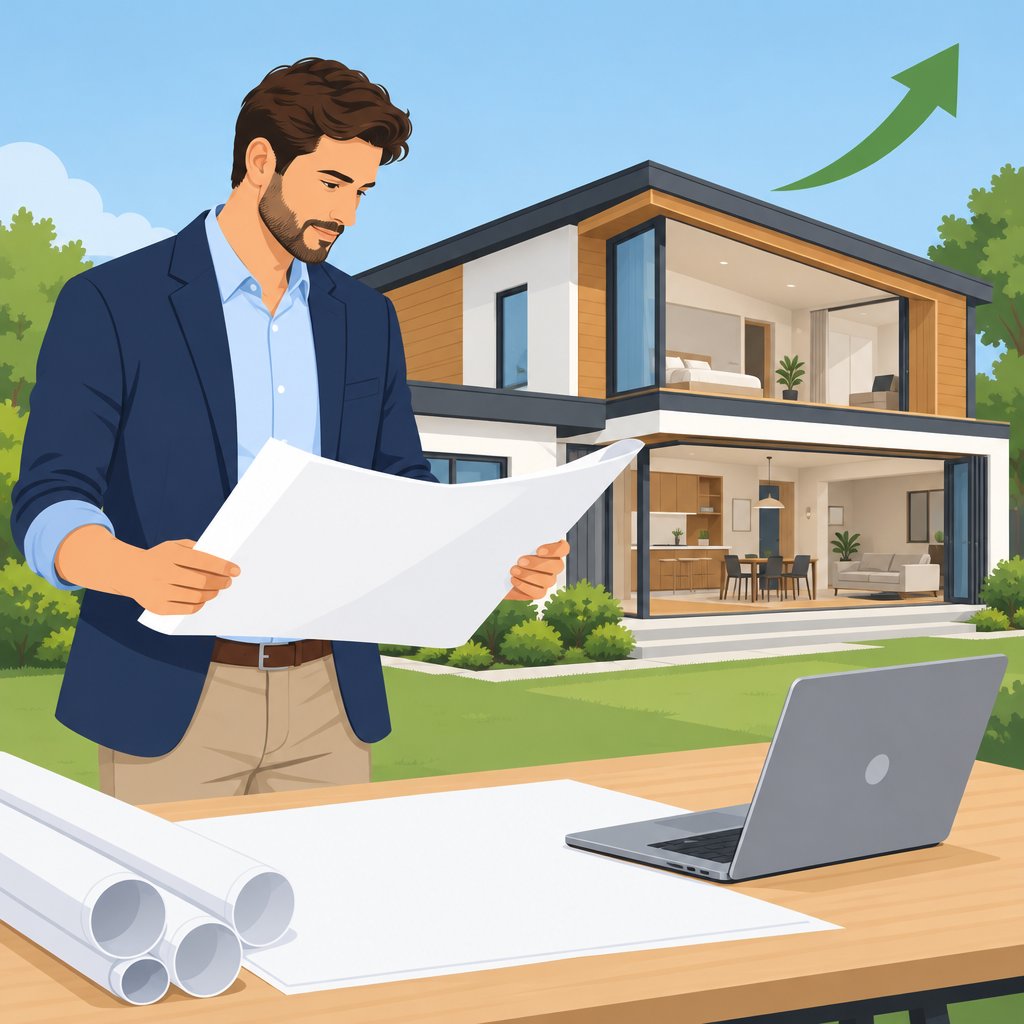
Case Studies of Successful Adaptive Renovations in Major US Cities
Major US cities showcase adaptive renovations that combine historic character with contemporary needs.
These projects preserve distinctive structures while improving comfort, efficiency, and functionality.
Moreover, successful renovations often strengthen property values and support neighborhood revitalization.
Revitalizing Historic Brownstones in New York City
New York City features many adaptive renovations that blend historic details with modern living.
Sterling Urban Developments transformed a nineteenth-century brownstone in Brooklyn.
The team preserved intricate architectural details while updating the interiors for greater comfort.
Additionally, energy-efficient systems reduced the property’s environmental impact.
As a result, the project increased property value and attracted a modern urban demographic.
Transforming Warehouse Lofts in Chicago’s West Loop
Chicago’s West Loop remains known for its industrial warehouse conversions.
At EdgeCraft Renovations, architects redesigned a spacious warehouse into luxury lofts.
They retained exposed brick walls and steel beams to preserve the building’s industrial charm.
Furthermore, penthouse units received green rooftops and smart home technology.
This adaptive reuse attracted young professionals seeking stylish urban living.
Modernizing Mid-Century Homes in Los Angeles
Los Angeles offers numerous examples of mid-century home renovations.
BrightSide Design revamped a Hollywood Hills home with open floor plans.
The designers integrated large glass walls to bring natural light and scenic views indoors.
Meanwhile, sustainable materials and solar panels improved the home’s environmental performance.
The project balanced aesthetic appeal with energy efficiency.
Converting Industrial Buildings into Mixed-Use Spaces in Seattle
Seattle’s industrial districts create opportunities for adaptive mixed-use developments.
HarborPoint Construction converted a former shipyard building into retail and residential units.
The project retained original steel frames while adding modern amenities and public green spaces.
Additionally, community input guided design decisions and supported neighborhood integration.
This renovation encouraged economic growth and diversified urban housing options.
Adaptive Reuse of Historic Mansions in Boston
Boston’s Back Bay neighborhoods showcase adaptive renovations of historic mansions.
Harrison & Lee Architects transformed a Victorian mansion into upscale condominiums.
The team preserved elaborate woodwork and stained glass during the upgrade.
Modern mechanical systems improved performance without compromising historical integrity.
Consequently, the project demonstrated how preservation can support contemporary needs.
Key Features Shared Across Successful Adaptive Renovations
Successful projects preserve unique historical elements whenever possible.
They also integrate energy-efficient technologies to improve sustainability.
Furthermore, these renovations respect community culture and local architectural identity.
Designers ultimately improve property functionality for modern lifestyles.
Benefits Realized Through Adaptive Renovations
Adaptive renovations can increase property values and strengthen market demand.
They can also reduce energy usage while preserving cultural and architectural heritage.
Additionally, these projects can revitalize neighborhoods and improve quality of life.
- Increased property values and market demand
- Enhanced sustainability and reduced energy usage
- Preservation of cultural and architectural heritage
- Revitalization of neighborhoods and local economies
- Improved quality of life for residents and communities
Future Trends in Home Renovation
Home renovation trends increasingly combine technology, sustainability, flexibility, wellness, and energy performance.
These priorities help homeowners adapt living spaces to changing needs.
Meanwhile, digital tools support more personalized planning and renovation decisions.
Integration of Smart Technology
Homeowners increasingly adopt smart technology to enhance convenience and security.
For example, smart thermostats and lighting systems improve energy efficiency.
Moreover, voice-activated assistants are becoming standard features in modern renovations.
Companies such as LuminaTech Solutions lead innovations in smart home integration.
As a result, adaptive renovations prioritize connectivity and automation throughout living spaces.
Emphasis on Sustainable Materials
Environmental concerns encourage renovators to select eco-friendly building materials.
Bamboo flooring and recycled steel offer popular alternatives to traditional options.
Additionally, low-VOC paints and sustainable insulation improve indoor air quality.
GreenBuild Innovations champions sustainable materials in residential projects.
Thus, sustainability becomes a core consideration during the planning phase.
Flexible and Multi-Functional Spaces
Modern homes increasingly include rooms designed for multiple purposes.
For instance, homeowners can transform offices into gyms or guest rooms.
Designers like Amanda Reyes specialize in adaptable living environments.
Consequently, homeowners value spaces that accommodate lifestyle changes over time.
This trend reflects evolving family dynamics and work-from-home culture.
Increased Focus on Health and Wellness
Renovations integrate features that promote physical and mental well-being.
Natural light optimization and air purification systems continue gaining popularity.
Landscape architect Marcus Franklin advocates biophilic design elements.
Furthermore, indoor gardens and healing spaces support wellness-centered renovations.
Therefore, wellness-centered homes offer greater comfort and resilience.
Adoption of Energy-Efficient Solutions
Homeowners invest in solar panels, efficient windows, and smart HVAC systems.
These upgrades reduce utility costs and minimize carbon footprints effectively.
Companies such as Solstice Energy specialize in residential energy solutions.
Additionally, government incentives encourage wider adoption of green technologies.
Ultimately, energy efficiency remains a top priority in future renovations.
Rise of Customization Through Technology
3D printing and virtual reality help homeowners visualize renovation outcomes.
These technologies enable precise customization of designs and materials before construction.
Innovators like Studio Ardent regularly incorporate these tools into client projects.
Consequently, renovation results better match personal preferences and budgets.
Such advancements streamline decisions and reduce costly errors.


