




Understanding the Causes of Water Damage in Rental Properties
This section explains causes of water damage in rental properties.
It outlines sources, environmental factors, tenant actions, and prevention steps.
Review these points to reduce repair costs and tenant disruptions.
Common Sources of Water Intrusion
Water damage often begins with leaks from plumbing systems.
For instance, faulty pipes or worn-out fixtures can cause leaks.
Moreover, roof damage allows rainwater to seep inside buildings.
Clogged gutters and downspouts also contribute to water buildup.
In addition, appliances like washing machines may malfunction and flood units.
Sometimes, tenants unintentionally cause water damage through spills or negligence.
Environmental and Structural Factors
Weather conditions play a significant role in water damage risk.
Heavy rainstorms or flooding can overwhelm drainage systems.
Furthermore, poor grading around foundations leads to water pooling near walls.
Older buildings tend to have more vulnerabilities due to aging materials.
Cracks in foundations or walls allow groundwater to enter basements.
Lastly, inadequate ventilation increases humidity and moisture accumulation indoors.
Impact of Tenant Behavior on Water Damage
Tenant activities can influence water damage occurrence significantly.
For example, ignoring leaks or slow drips worsens the problem over time.
Failure to report plumbing issues promptly delays necessary repairs.
Excessive moisture from drying clothes indoors can raise humidity levels.
Additionally, improper use of appliances may lead to water leaks.
Landlords should educate tenants about preventing water damage effectively.
Preventative Maintenance and Inspection
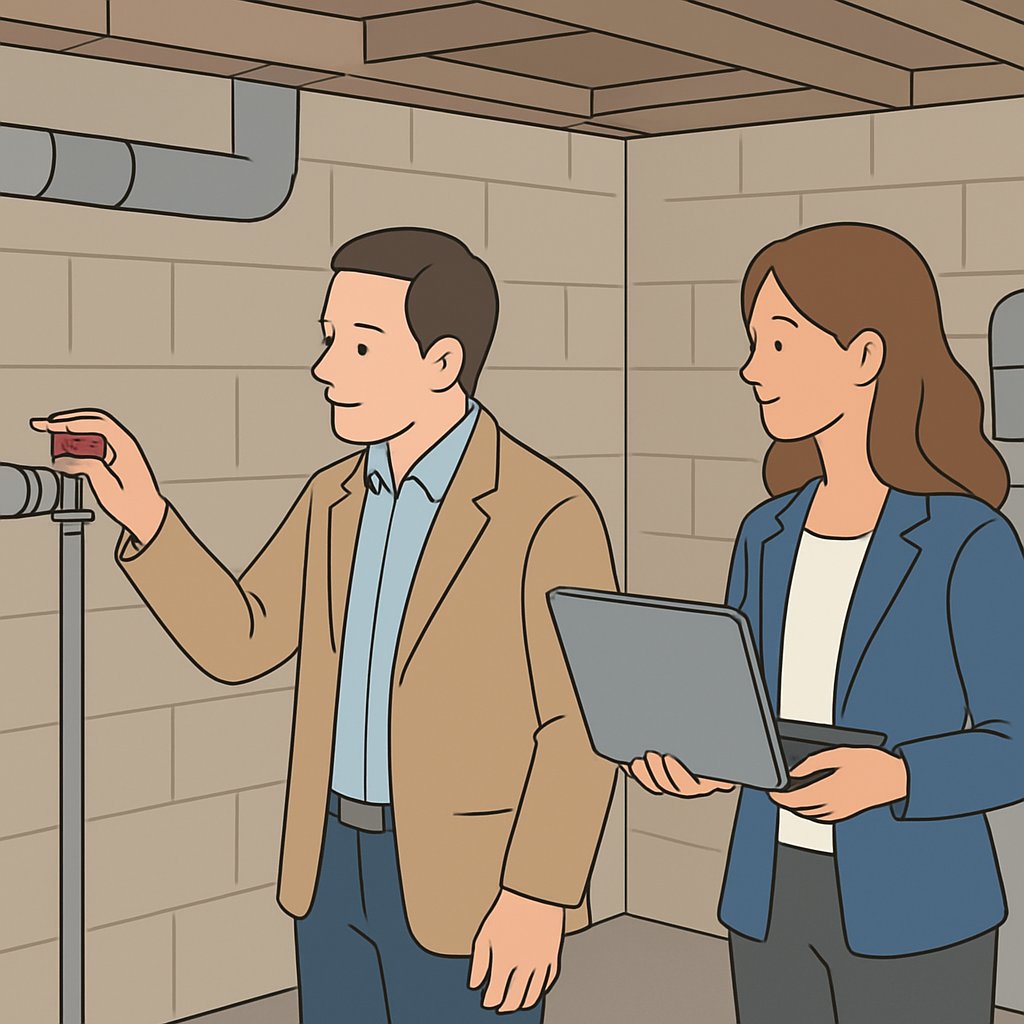
Regular property inspections help identify potential water damage risks early.
Landlords should check roofs, gutters, and plumbing systems routinely.
Timely repair of minor issues prevents costly damage later.
Implementing waterproofing measures protects vulnerable areas.
Installing moisture detectors alerts landlords and tenants of leaks.
Finally, maintaining good drainage systems reduces water accumulation around properties.
Regular Maintenance
Hire experienced plumbers like Watersafe Plumbing Services for thorough evaluations.
Consider partnering with ProShield Roofing for seasonal roof assessments.
Companies such as Reliable Home Services offer maintenance plans tailored to landlords.
Inspections of Plumbing Systems
Regularly inspect all plumbing pipes and fixtures for leaks or corrosion.
Catch issues early to prevent costly water damage later.
Additionally, check connections under sinks and behind appliances for drips.
Furthermore, schedule inspections at least twice a year to stay ahead of problems.
Roof and Gutter Maintenance
Ensure that roofs are free of damaged or missing shingles to prevent leaks.
Clean gutters frequently to avoid water overflow onto the building facade.
Blockages in gutters can cause water to pool and damage property foundations.
Moreover, trim nearby tree branches to reduce debris accumulation on roofs and gutters.
Appliance and Water Heater Checks
Regularly test appliances like washing machines and dishwashers for leaks.
Replace worn-out hoses and seals to maintain secure connections.
Water heaters require flushing annually to remove sediment buildup and enhance efficiency.
Besides prolonging appliance life, these measures minimize sudden water damage incidents.
Addressing Drainage and Landscaping
Verify that the property’s drainage slopes away from building foundations.
Improper grading leads to water pooling, which increases seepage risks indoors.
Install or repair French drains to enhance water diversion during heavy rains.
Landscapers like Greenfield Gardens can help maintain effective drainage systems.
In addition, keep vegetation away from walls to prevent moisture retention.
Educating Tenants on Water Damage Prevention
Inform tenants about promptly reporting leaks or signs of moisture.
Provide clear instructions on how to shut off water valves in emergencies.
Distribute maintenance checklists to encourage tenant participation in upkeep.
Property managers such as UrbanNest Realty prioritize tenant communication to reduce risks.
Ultimately, proactive tenant involvement strengthens overall water damage prevention efforts.
Importance of Proper Plumbing System Maintenance
Proper plumbing maintenance reduces the risk of costly water damage.
Regular upkeep preserves building systems and protects tenant safety.
Property managers benefit from scheduled inspections and prompt repairs.
Preventing Water Damage through Regular Inspections
Regular inspections identify leaks and weaknesses early.
For example, Lucas Kent schedules plumbing checks every six months.
Inspections can uncover hidden issues behind walls and floors.
Therefore, routine assessments reduce the chance of costly water damage.
Timely Repairs to Avoid Escalating Issues
Fixing small leaks promptly prevents larger problems.
Emily Rivera from Clearwater Rentals requires plumbers to respond within 48 hours.
Timely repairs protect the building and reduce tenant disruptions.
Thus, responsive maintenance saves owners significant repair costs.
Maintaining Proper Drainage and Water Pressure
Proper drainage prevents water buildup that can cause leaks or bursts.
Technicians from Bluewater Plumbing Services adjust systems for optimal pressure.
Furthermore, balanced pressure extends the lifespan of pipes and fixtures.
Thus, maintaining drainage and pressure prevents sudden failures and damage.
Implementing Preventive Maintenance Measures
Installing water leak detectors alerts managers to unusual moisture early.
For instance, Jackson Wells places sensors in key rental areas.
Also, pipe insulation helps prevent freezing and subsequent cracking.
These preventive measures lower the risk of emergency water damage.
Educating Tenants on Plumbing Care
Tenants must learn proper fixture use to avoid clogs and leaks.
Sarah Lindstrom at Evergreen Properties gives simple guides during onboarding.
Also, encouraging tenants to report problems enables faster resolution.
Therefore, tenant awareness helps maintain plumbing health and prevent damage.
See Related Content: Best Ways to Maintain Rental Property Plumbing Systems
Best Practices for Roof Inspection and Repair
Follow scheduled roof inspections to catch issues early.
Also inspect after severe weather events to address damage promptly.
Additionally, check gutters and downspouts to ensure proper drainage.
Regular Roof Inspections
Schedule roof inspections at least twice a year.
Spring and fall are ideal seasons for thorough assessments.
Moreover, check for missing, cracked, or curled shingles during each inspection.
Examine flashing around chimneys, vents, and skylights for leaks or deterioration.
Look for signs of moss, algae, or debris build-up that can harm roofing materials.
Hire experienced professionals like Evergreen Roofing Solutions for detailed inspections.
Timely Roof Repairs
Address minor issues immediately to prevent costly water damage later.
Further, replace damaged shingles and patch leaks without delay.
Also seal any openings around vents and flashings with quality sealant.
Clear clogged gutters regularly to avoid water overflow onto the roof.
Trim overhanging tree branches that can scrape or drop debris on the roof.
Document all repairs and inspections for future reference and insurance purposes.
Preventive Maintenance Tips
Keep roofs clean by removing leaves and debris frequently.
Ensure proper attic ventilation to reduce moisture buildup under roofing.
Install gutter guards to reduce clogging and improve water flow.
Additionally, schedule professional roof cleanings and treatments annually.
Maintain clear communication with tenants about reporting roof issues quickly.
Partner with reputable companies like Skyline Roofing Experts for ongoing support.
See Related Content: Tenant Eviction Laws and Legal Rights for Property Owners
Managing Indoor Humidity Levels to Prevent Mold Growth
Managing indoor humidity helps prevent mold growth.
Landlords should address moisture proactively in rental properties.
Poor ventilation often causes humidity issues in rentals.
Understanding the Impact of Humidity on Mold
Indoor humidity plays a crucial role in mold development.
High humidity creates an ideal environment for mold spores to grow.
Therefore, controlling humidity levels reduces the risk of mold.
Effective Ways to Control Humidity
Install and maintain exhaust fans in kitchens and bathrooms.
These fans expel moist air and lower indoor humidity.
Use dehumidifiers in damp areas to prevent mold formation.
Open windows daily to improve airflow when weather permits.
Implementing Ventilation Strategies
Proper ventilation is essential for maintaining healthy humidity levels.
Encourage tenants to leave interior doors open to promote air circulation.
Service heating and cooling systems regularly to regulate temperature and moisture.
Seal leaks around windows and doors to block outside moisture.
Monitoring and Maintenance Practices
Use hygrometers to monitor indoor humidity regularly.
Keep indoor humidity between 30% and 50% to deter mold growth.
Schedule routine inspections of damp areas and hidden spaces.
Repair water leaks promptly to prevent moisture accumulation.
Educate tenants to report moisture problems early to avoid extensive damage.
Partnering with Property Managers and Specialists
Property managers like Morgan Crest Realty recommend humidity management plans.
They provide guidance on effective moisture control tailored to each property.
Consult mold remediation experts to identify hidden moisture risks.
These professionals advise on solutions to maintain a mold-free environment.
Proactive humidity management protects rental investments and tenant health.
Explore Further: Best Online Advertising Platforms for Promoting Rental Properties
Choosing Water-Resistant Materials for Renovations
This guide explains choices for water-resistant renovation materials.
It highlights benefits, recommended products, and planning tips.
Follow the guidance to protect properties and reduce repairs.
Benefits of Using Water-Resistant Materials
Selecting water-resistant materials significantly reduces the risk of property damage.
These materials protect rental units from leaks, flooding, and humidity.
Moreover, they enhance durability and reduce long-term maintenance costs.
Consequently, landlords receive fewer repair requests and more tenant satisfaction.
Recommended Water-Resistant Materials for Key Areas
Select suitable water-resistant materials for each key renovation area.
Consider floor, wall, cabinet, and fixture needs during planning.
Material choice influences durability and future maintenance demands.
Flooring Options
Vinyl plank flooring offers excellent water resistance and visual appeal.
Ceramic and porcelain tiles provide durable and waterproof flooring surfaces.
Sealed concrete also serves as a practical option in basements.
Wall Coverings
Water-resistant drywall or green board withstands moisture better than regular drywall.
Fiberglass reinforced panels work well in bathrooms and kitchens with high humidity.
Also, apply mold-resistant paint for added protection in damp environments.
Cabinetry and Fixtures
Choose cabinets built from marine-grade plywood or treated wood to resist water.
Additionally, use laminate surfaces with waterproof coatings to prevent swelling.
Stainless steel fixtures resist rust and maintain appearance over time.
Tips for Selecting Water-Resistant Materials
Follow practical tips when choosing water-resistant renovation materials.
Seek supplier guidance and confirm product water resistance specifications.
Also, weigh climate exposure and long-term costs before purchasing materials.
- Consult expert suppliers like Evergreen Building Materials for reliable product recommendations.
- Always verify product specifications for water resistance and durability ratings.
- Consider local climate and property exposure when choosing materials.
- Balance cost-effectiveness with long-term protective benefits.
Incorporating Water-Resistance in Renovation Planning
Work with contractors experienced in moisture control and water-resistant installations.
Ensure proper sealing and caulking complement water-resistant materials.
Plan for adequate ventilation to reduce humidity and prevent mold growth.
Regularly inspect renovated areas for signs of wear or water intrusion.
Discover More: Understanding Landlord Responsibilities for Property Repairs
Implementing Effective Drainage Systems Around the Property
Effective drainage preserves building integrity and reduces water damage risks.
Furthermore, careful planning improves long term system performance and reduces maintenance needs.
Finally, professionals can assess conditions and recommend appropriate solutions for each property.
Assessing Drainage Needs
Evaluate the landscape to observe natural water flow patterns around the property.
Next, identify low spots where water collects or pools after rain.
Also, examine soil type to determine absorption rates and drainage capacity.
Moreover, consult local experts like Horizon Property Solutions for detailed assessments.
This analysis then informs the layout of an efficient drainage system.
Choosing the Right Drainage Solutions
Consider French drains to redirect surface and groundwater away from structures.
Additionally, attach gutter downspout extensions to move roof water away from foundations.
Then, place surface drains such as catch basins in pooling areas.
Install gravel trenches to improve soil drainage where appropriate.
Ultimately, seek tailored recommendations from Riverbend Drainage Services when needed.
Installation Best Practices
Grade the site with a slope that directs water away from the building.
Place pipes and channels at a minimum one percent slope for proper flow.
Use durable materials such as PVC to resist weather and wear.
Include cleanouts to allow easy maintenance and blockage removal.
Hire experienced contractors like Clearwater Landscape Experts for correct installation.
Maintaining Drainage Systems
Regularly inspect gutters and drains for debris and potential blockages.
Before rainy seasons, clear leaves and dirt to prevent clogs.
Check downspouts to ensure water flows freely away from the property.
Also, schedule annual maintenance with DrainTech Solutions for thorough checks.
Proper upkeep extends system life and helps avoid costly damages.
Educating Tenants on Water Damage Prevention Measures
Tenants play a crucial role in preventing water damage in rental properties.
Informing tenants promptly reduces the risk of costly repairs.
Proactive tenants often report issues early and prevent escalation.
Importance of Tenant Awareness
Awareness helps tenants report issues early and limit damage.
When tenants understand prevention steps, they behave more responsibly inside units.
Early reports allow management to schedule timely repairs and control costs.
Effective Communication Strategies
Provide clear water safety guidelines during move-in to set expectations.
Offer written materials so tenants can review prevention steps later.
Send periodic email reminders to reinforce water damage precautions.
Key Water Damage Prevention Tips for Tenants
Regularly inspect faucets, pipes, and appliances for signs of leaks.
Do not pour grease or food scraps down drains to prevent clogs.
Use exhaust fans or open windows to lower indoor humidity levels.
Report any water issues to management immediately to avoid escalation.
Learn the emergency water shut-off procedure and where shut-off valves are located.
Training and Support Resources
Offer workshops or webinars covering practical water damage prevention techniques.
Partner with local plumbers or inspectors to enhance tenant knowledge.
Provide online resources and clear contact instructions for urgent water problems.
Building a Partnership with Tenants
Work cooperatively with tenants to maintain safe rental conditions.
Maintain open communication to build trust and encourage responsible behavior.
Invite tenant suggestions to improve prevention and acknowledge careful maintenance.
Additional Resources
Google search results for How to Prevent Water Damage in Rental Properties Property Management
Bing search results for How to Prevent Water Damage in Rental Properties Property Management


