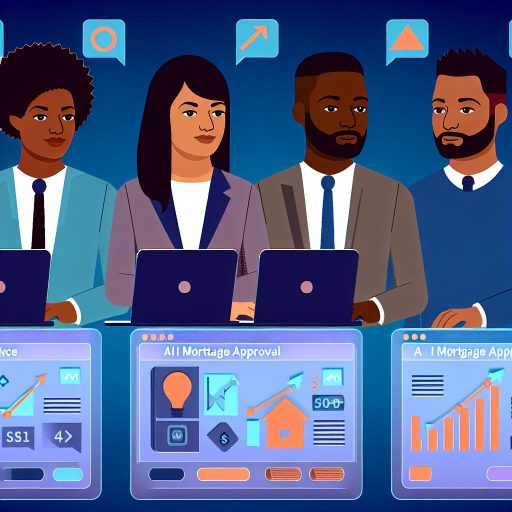




Introduction to AI in Real Estate Property Management
Emergence of AI Technologies in Property Management
Artificial intelligence is revolutionizing the real estate property management industry.
Many firms have adopted AI solutions to improve operational efficiency.
For example, Evergreen Realty Group implemented AI to automate tenant communications.
This shift allows managers to focus on strategic tasks rather than routine work.
Consequently, properties receive more attentive and personalized management.
Key Benefits AI Brings to Property Management
AI enhances decision making by providing data-driven insights.
It also streamlines maintenance scheduling through predictive analytics.
Furthermore, automated leasing processes reduce vacancy times significantly.
Moreover, AI-powered chatbots handle tenant inquiries instantly around the clock.
These improvements lead to better tenant satisfaction and retention rates.
Trends in AI Adoption Among Real Estate Companies
Leading companies like Summit Properties actively invest in AI technologies.
They utilize AI to analyze rental market trends effectively and adjust pricing.
Mid-size firms increasingly explore AI tools to stay competitive.
Additionally, startups in property tech develop AI-driven platforms for management automation.
The adoption of AI continues growing rapidly across the sector.
Benefits of AI Integration in Property Management
Enhanced Operational Efficiency
AI streamlines daily property management tasks effectively.
It automates routine processes such as rent collection and maintenance scheduling.
Consequently, managers save time and reduce human errors.
For example, Horizon Property Group uses AI-powered systems to optimize their operations.
Therefore, teams focus more on strategic planning and client relations.
Improved Tenant Experience
AI enhances tenant satisfaction by enabling faster communication.
Chatbots provide instant responses to common inquiries around the clock.
Additionally, predictive maintenance prevents issues before they become disruptive.
Evergreen Residential reported increased tenant retention after adopting AI tools.
Thus, tenants enjoy more convenient and reliable living conditions.
Data-Driven Decision Making
AI systems analyze large data sets to uncover valuable insights.
They help property managers predict market trends and optimize pricing.
Moreover, these insights support investment and resource allocation strategies.
Summit Asset Advisors leverages AI analytics to improve portfolio performance.
Consequently, their decisions rest on accurate and timely information.
Cost Savings and Revenue Growth
AI reduces operational costs through automation and efficient resource use.
It minimizes vacancy rates by targeting ideal tenant profiles via data analysis.
Furthermore, dynamic pricing models boost rental income in competitive markets.
Innovative firms like Crestview Estates report measurable revenue gains from AI adoption.
Therefore, investment in AI translates into stronger financial outcomes.
Risk Management and Compliance
AI tools assist in identifying potential risks proactively.
They monitor regulatory changes and ensure compliance with local laws.
Additionally, AI detects fraudulent activities and security breaches early.
Evergreen Properties uses AI-enabled platforms to maintain robust risk controls.
As a result, they protect assets and enhance stakeholder confidence.
AI Tools and Technologies Revolutionizing Property Management
Smart Leasing and Tenant Screening
Artificial intelligence streamlines the leasing process with smart automation.
It analyzes tenant applications quickly and accurately.
Moreover, AI tools assess credit scores and background checks efficiently.
PropTech company UrbanVibe uses AI to match tenants with ideal properties.
This reduces time spent on manual screening and human bias.
Predictive Maintenance Powered by AI
AI detects maintenance needs before issues escalate.
It uses sensor data from buildings to predict equipment failures.
Consequently, property managers can schedule repairs proactively.
Innovative platforms like BuildSense provide real-time alerts for maintenance.
Such technology reduces costly emergency repairs significantly.
Automated Rent Collection and Financial Management
AI simplifies rent collection through automated payment reminders.
It tracks payment schedules and flags late payments promptly.
Furthermore, AI integrates with accounting systems to manage finances.
RentalTech firm LeaseFlow offers solutions to streamline financial workflows.
This automation ensures cash flow remains steady and predictable.
Virtual Assistants Enhancing Tenant Communication
AI-powered chatbots handle tenant inquiries 24/7 efficiently.
They provide instant responses about payments, maintenance, and policies.
For example, PropertyEase employs virtual assistants to improve tenant satisfaction.
In addition, these assistants free staff to handle complex tasks.
This technology improves overall communication and reduces response times.
Data Analytics Driving Strategic Decisions
AI analyzes market trends to optimize rental pricing strategies.
It evaluates neighborhood data, seasonal demand, and competitor rates.
Moreover, predictive analytics forecast vacancy risks and tenant turnover.
Data-driven decisions help management companies like MetroManage maximize profits.
Hence, AI transforms raw data into actionable property insights.
Explore Further: AI Algorithms for Real Estate Mortgage and Loan Approvals
Predictive Analytics for Tenant Behavior and Preferences
Leveraging Data to Understand Tenants
Property managers use predictive analytics to better understand tenant behavior.
They collect data from rental applications.
They also collect data from payment history.
Data is collected from maintenance requests as well.
Analyzing this data helps identify patterns that reveal tenant preferences.
It also helps reveal tenant needs clearly.
For instance, analytics can predict when tenants are likely to renew leases.
They can also predict when tenants might move out.
Moreover, predictive analytics uncovers preferences for amenities.
This insight helps tailor services accordingly.
Enhancing Tenant Satisfaction Through Personalization
Predictive models allow managers to offer personalized communication.
They also enable personalized services for tenants.
For example, managers can notify tenants about promotions suited to their preferences.
Managers can also notify tenants about maintenance updates tailored to their needs.
This personalized approach improves tenant engagement.
It also fosters tenant loyalty over time.
Additionally, managers anticipate issues by detecting early warning signs of dissatisfaction.
Proactive resolutions reduce complaints effectively.
This leads to increased overall tenant satisfaction.
Optimizing Leasing and Marketing Strategies
Analytics guide targeted marketing efforts toward prospective tenants.
Studying current tenant data helps identify demographics with high retention rates.
Managers focus advertising on these groups specifically.
This focus attracts similar tenants effectively.
Furthermore, predictive tools help set competitive rental rates.
These rates are based on current demand trends.
This optimization maximizes occupancy for property owners.
It also helps increase revenue significantly.
Success Story of Meridian Property Group
Meridian Property Group implemented predictive analytics in their residential portfolio.
They analyzed tenant payment behaviors closely.
Maintenance requests were also analyzed to improve service delivery.
As a result, Meridian increased lease renewal rates by 15% within one year.
The company reduced vacancy periods significantly.
They targeted likely prospective renters with personalized campaigns.
This success illustrates how predictive analytics transform property management efficiency.
Find Out More: How Blockchain Solves Real Estate Ownership Disputes
Automating Maintenance Requests and Property Inspections with AI
Streamlining Maintenance Requests
AI-powered platforms simplify how tenants submit maintenance requests.
Greenwood Residential uses AI chatbots to handle repair reports.
These chatbots operate 24/7, ensuring tenants receive immediate assistance.
Moreover, AI categorizes and prioritizes requests based on urgency.
This system reduces response times and improves tenant satisfaction.
Additionally, AI integrates with scheduling software to assign tasks to technicians.
Property managers monitor ongoing issues through real-time dashboards.
Consequently, maintenance teams operate more efficiently and address problems proactively.
Enhancing Property Inspections with AI Technology
AI revolutionizes property inspections by automating data collection and analysis.
Smart devices capture images and sensor data during inspections.
AI algorithms detect anomalies such as water leaks or structural damage.
For example, Sterling Real Estate uses drones with AI-enabled cameras for roof inspections.
These drones identify issues faster than manual inspections.
Furthermore, AI generates detailed reports complete with visual evidence.
Inspectors and owners receive timely updates to facilitate quick decision-making.
Thus, AI helps prevent costly repairs by spotting problems early.
Integrating AI to Optimize Property Management Operations
Combining AI-driven maintenance and inspections creates comprehensive property oversight.
Lakeside Property Group, a Boston-based firm, experienced fewer emergency repairs after AI implementation.
AI analytics predict maintenance needs by analyzing historical data and trends.
This predictive approach supports preventative maintenance strategies.
Consequently, property longevity increases while operational costs decrease.
AI empowers property managers like Emily Harper to enhance service quality and optimize workflows.
As a result, tenants enjoy safer and better-maintained living environments.
Discover More: Exploring Virtual Reality Applications In U.S. Real Estate Marketing And Sales

Enhancing Tenant Communication through AI Chatbots
Improving Responsiveness and Availability
AI chatbots offer tenants instant responses to their inquiries at any time.
They provide 24/7 availability, eliminating delays caused by limited office hours.
Consequently, property managers like Lakeside Realty have improved tenant satisfaction.
Moreover, chatbots handle multiple requests simultaneously without compromising quality.
Therefore, response times shorten significantly, boosting overall communication efficiency.
Personalizing Tenant Interactions
Advanced AI chatbots remember tenant preferences and previous conversations.
Thus, they deliver personalized responses tailored to individual tenant needs.
For example, Meadowbrook Residences use chatbots to address tenant-specific maintenance histories.
Additionally, chatbots can provide customized reminders for rent payments or lease renewals.
This personalized approach fosters stronger tenant relationships and trust with management.
Streamlining Maintenance Requests
AI chatbots simplify the reporting and tracking of maintenance issues for tenants.
Tenants can describe problems in natural language, and chatbots log requests accurately.
Following that, chatbots assign priority levels and notify maintenance teams instantly.
Companies like Crestview Property Management observe faster resolution times with this method.
Consequently, tenants experience fewer inconveniences and quicker service delivery.
Reducing Workload for Property Managers
Chatbots manage routine queries, freeing property managers to focus on complex tasks.
They can automate appointment scheduling, rent reminders, and document distribution.
As a result, property firms such as Harborview Estates reduce operational costs efficiently.
Furthermore, managers gain more time to enhance community engagement and property improvements.
Ultimately, AI chatbots increase productivity across all levels of property management.
You Might Also Like: Virtual Reality for Real Estate Staging and Design
AI-Driven Market Analysis for Better Investment Decisions
Enhancing Data Collection and Processing
Artificial intelligence revolutionizes how real estate data is collected.
It automatically gathers information from diverse sources such as listings.
It also collects data from market reports and social media.
This automation saves valuable time and reduces human errors.
Moreover, AI processes vast amounts of data quickly to provide real-time insights.
As a result, investors gain access to up-to-date market trends instantly.
Identifying Emerging Market Opportunities
AI algorithms analyze neighborhood growth patterns and economic indicators.
These analyses help pinpoint undervalued properties with high investment potential.
Additionally, AI considers factors like demographics, school quality, and infrastructure development.
Such comprehensive evaluations support smarter investment choices.
For instance, Lakeview Properties successfully used AI to find promising opportunities in Raleigh’s suburbs.
Predicting Market Fluctuations with Accuracy
AI models use historical data and current trends to forecast property value changes.
These predictions enable investors to time their purchases and sales effectively.
Furthermore, AI provides risk assessments based on economic and political variables.
Consequently, investors minimize losses by anticipating market downturns early.
Optimizing Portfolio Management
AI tools recommend optimal property mixes to maximize returns and diversify risks.
They continuously monitor portfolio performance and suggest timely adjustments.
For example, Highland Capital leveraged AI to rebalance its holdings across commercial and residential assets.
Therefore, investors maintain a resilient portfolio amid changing market conditions.
Key Benefits for Real Estate Investors
- Faster access to comprehensive market data
- Improved identification of high-potential investments
- Accurate forecasting of market trends and risks
- Smarter portfolio diversification and management
Addressing Security and Privacy Concerns with AI in Property Management
Enhancing Data Protection Measures
AI systems in property management handle vast amounts of sensitive data daily.
Therefore, companies like Sterling Real Estate Group prioritize strong encryption protocols.
Moreover, end-to-end encryption protects tenant information during transmission.
AI platforms continuously update defenses against emerging cyber threats.
As a result, property managers gain confidence in secure data handling.
Implementing Access Controls and Authentication
Access to AI-powered systems must be tightly controlled to prevent data breaches.
Innovative firms such as Horizon Property Solutions deploy multi-factor authentication methods.
These methods greatly reduce unauthorized access risks.
Additionally, role-based permission settings ensure proper information sharing.
Consequently, only authorized personnel can view or modify sensitive information.
Ensuring Compliance with Privacy Regulations
Property management companies must comply with regulations like GDPR and CCPA.
To achieve this, AI vendors collaborate closely with legal experts.
The AI software automatically flags data storage practices that violate privacy laws.
This proactive approach helps avoid costly fines and reputational damage.
Ultimately, tenants’ privacy rights receive full respect and protection.
Promoting Transparency and Tenant Trust
Transparency is essential when deploying AI technologies in residential communities.
Riverview Property Group openly communicates how AI collects and uses data.
This communication builds trust between tenants and property managers.
Furthermore, tenants can easily access and control their personal information.
Thus, transparency fosters stronger community relationships and satisfaction.
Addressing Ethical Considerations for AI Usage
Ethics play a crucial role in responsible AI use in property management.
Companies like Larkspur Estates implement guidelines to prevent bias in AI decision-making.
They regularly audit algorithms for fairness and equal treatment of tenants.
Such practices help create equitable and inclusive housing environments.
Consequently, AI supports socially responsible property management strategies.