



Introduction to Open House Management
Open house events play a crucial role in real estate marketing.
They give potential buyers opportunities to explore available properties.
Recently, agents have needed more effective ways to manage these events.
Consequently, real estate agents must maximize each open house event’s impact.
Modern tools can significantly improve open house success.
Efficient check-in processes represent one essential management practice.
These processes capture visitor information for future engagement.
Moreover, automated follow-ups can maintain visitor interest after each event.
Such practices transform traditional open house management.
Therefore, technology integration remains vital in today’s competitive market.
A systematic approach creates memorable experiences for attendees.
As a result, streamlined interactions benefit both buyers and sellers.
These strategies position agents for greater success.
The Importance of Check-Ins in Open House Events
Check-ins help agents connect with potential buyers during open house events.
They also support information gathering, visitor engagement, and organized follow-up.
Additionally, visitor data helps agents evaluate event performance and present a professional image.
Building Connections
Check-ins create an immediate personal connection with potential buyers.
They allow realtors to greet visitors warmly and create a welcoming atmosphere.
As a result, visitors feel valued and acknowledged when they enter.
Gathering Valuable Information
Check-in processes help agents gather essential information about interested buyers.
Agents can collect contact details for future follow-ups.
This information helps agents personalize later communications.
Enhancing Engagement
Engaged visitors become more likely to consider properties seriously.
Through check-ins, agents can ask insightful questions and encourage meaningful conversations.
Consequently, agents can tailor discussions to match potential buyers’ interests.
Streamlining the Follow-Up Process
A check-in process simplifies follow-up communications after the event.
Agents can reference specific interactions when contacting visitors later.
This approach strengthens relationships and demonstrates careful attention to detail.
Tracking Visitor Flow
Check-ins provide data about visitor flow throughout the event.
Agents can analyze busy periods and adjust their strategies accordingly.
Therefore, this information improves planning for future open houses.
Creating a Professional Image
An organized check-in system presents a professional image.
It demonstrates the agent’s commitment to providing exceptional service.
Ultimately, professionalism fosters trust and credibility with prospective buyers.
Understanding Automated Check-Ins
Automated check-in systems streamline the open house process.
They efficiently manage guest registrations and tracking.
Additionally, this innovation enhances the overall visitor experience.
As a result, real estate agents can focus more on client interactions.
Benefits of Automated Check-Ins
Automated systems reduce paperwork and manual entry errors.
Moreover, they save time during busy open house events.
These systems also capture valuable visitor data.
Consequently, this data supports future marketing efforts.
Choosing the Right Technology
Invest in user-friendly software that integrates with existing tools.
Also, ensure the software provides real-time data and analytics.
Finally, select platforms with customizable features that suit your needs.
Best Practices for Implementation
First, train your team on the new system.
Next, conduct a test run before the actual event.
Then, gather feedback from guests to improve the process.
Finally, continuously monitor performance for further optimization.
Uncover the Details: How Cloud-Based Real Estate Platforms Revolutionize Agent Collaborations
Benefits of Real-Time Data Collection at Open Houses
Real-time data collection strengthens how agents manage visitor interactions during open houses.
It also reveals visitor preferences while interest remains current.
As a result, agents can respond quickly and improve their sales activities.
Enhanced Visitor Engagement
Real-time data collection significantly increases visitor engagement during open houses.
For instance, instant feedback options help attendees feel heard and valued.
Additionally, interactive platforms let potential buyers express their interests freely.
This approach creates a more welcoming environment for visitors.
Data-Driven Decision Making
Real-time collection gives agents timely information for informed decision-making.
They can quickly identify which properties attract the most interest.
Therefore, agents can tailor their marketing strategies more effectively.
This insight ultimately helps optimize the sales process.
Streamlined Follow-Up Processes
Automated follow-up systems improve communication with potential buyers.
Agents can send personalized messages immediately after the open house.
Consequently, timely communication keeps each property fresh in buyers’ minds.
This approach can support faster sales.
Improved Lead Tracking
Real-time data helps agents track leads generated during open houses precisely.
They can categorize leads according to interests and engagement levels.
As a result, agents can prioritize follow-up efforts more effectively.
This organization can increase their chances of closing deals.
Informed Marketing Strategies
Real-time data helps agents understand market trends more clearly.
They can then adjust marketing strategies using collected visitor information.
Furthermore, this flexibility helps agents remain competitive in real estate.
Targeted marketing can also produce higher conversion rates.
Uncover the Details: Evaluating 3D Property Tour Software For Immersive Home Viewing Experiences
Personalized Follow-Up Strategies
Personalized follow-up strategies align communication with lead behavior.
They combine audience insights, customized messages, technology, and feedback.
This approach helps teams manage communication with greater consistency.
Audience Segmentation for Follow-Up Communication
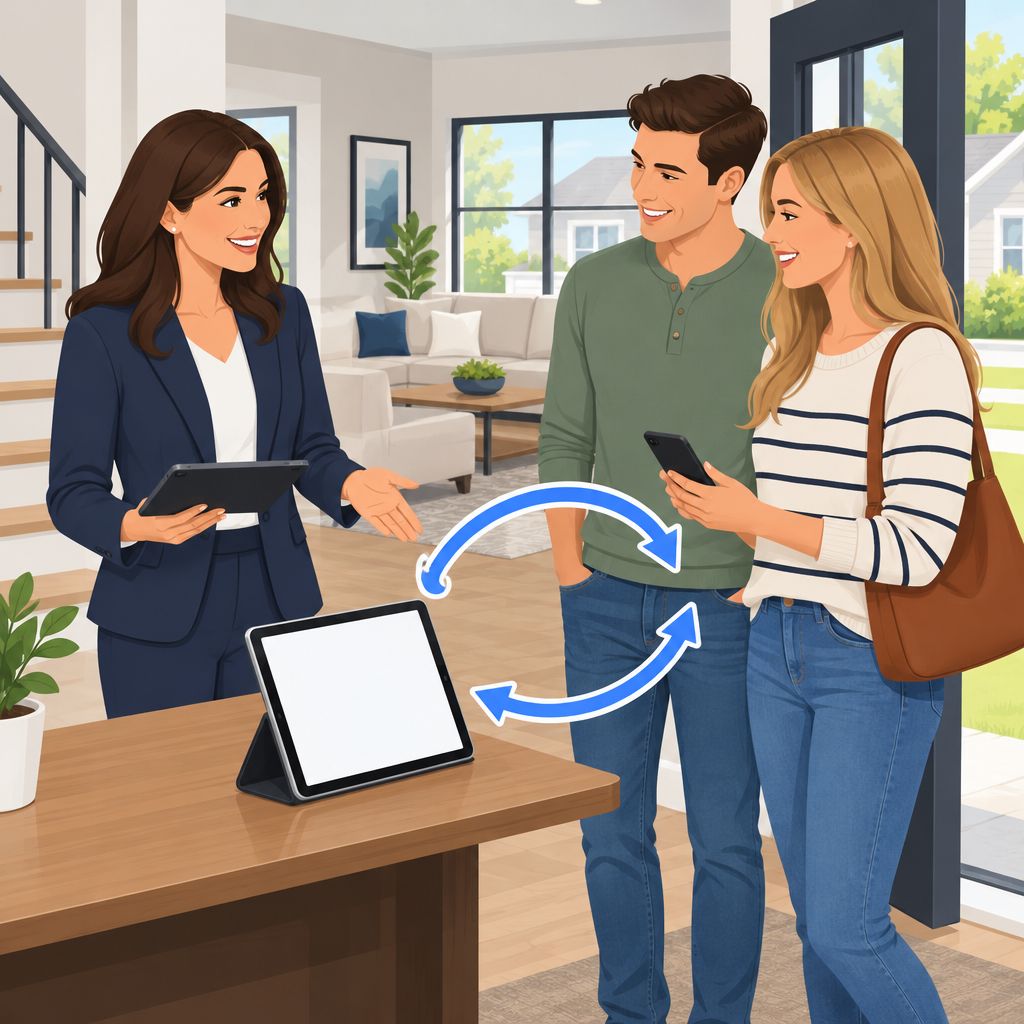
Effective follow-up strategies start with audience segmentation.
First, segment leads based on their behavior and preferences.
This segmentation allows you to tailor your communication.
Additionally, use demographics to refine your approach.
Analyze past interactions to improve your targeting.
Customized Messages That Encourage Engagement
Customized messages can increase engagement rates.
Begin by using the recipient’s name in your communications.
Next, reference specific properties that sparked their interest.
This approach creates a personal connection and encourages responses.
Finally, offer valuable insights or additional resources.
Technology for Consistent Follow-Up
Technology helps streamline follow-up processes.
Use automated emails to maintain consistent communication.
Meanwhile, employ CRM systems to track interactions.
These tools support timely follow-ups without overwhelming your team.
Moreover, set reminders for personal check-ins when necessary.
Feedback Loops for Strategy Improvement
Feedback loops help refine your follow-up strategies.
Encourage leads to share their experiences and preferences.
This feedback provides insights for future interactions.
Use surveys or simple follow-up questions to gather data.
Subsequently, adjust your strategies based on this information.
Find Out More: Mastering CRM Automation Tools For Proactive Real Estate Lead Management
Using CRM Tools for Automated Follow-Ups
CRM tools help real estate agents manage follow-up communication after open houses.
They organize client information and support consistent outreach throughout the sales process.
Additionally, these systems help agents respond promptly while maintaining personalized communication.
Streamlining Communication
Effective communication remains essential in real estate.
CRM tools help agents communicate efficiently with potential clients.
After open houses, automated messages maintain engagement and support timely follow-up.
Personalizing Client Interactions
CRM systems tailor follow-ups according to client interactions.
Agents can review previous conversations and recorded preferences before contacting clients.
Consequently, tailored messages strengthen client relationships and make communication more relevant.
Scheduling and Task Management
Automated reminders help agents manage follow-up tasks.
CRM tools notify agents about important next steps in the sales process.
As a result, agents stay organized and provide timely responses.
Analyzing Follow-Up Effectiveness
CRM tools provide analytics about follow-up outreach.
Agents can examine response rates and engagement levels.
By reviewing this information, agents can refine their communication strategies.
Integrating with Other Tools
Modern CRM systems connect with email and marketing platforms.
This synchronization helps agents coordinate communication across different tools.
Therefore, integrated systems streamline follow-up work after open houses.
See Related Content: How to Sell Homes Faster Using Digital Marketing Strategies
Analyzing Feedback and Impressions from Attendees
Attendee feedback reveals how people experienced an open house event.
These impressions help organizers recognize strengths and identify opportunities for improvement.
Furthermore, organizers can use these insights to improve future communication and event planning.
Importance of Gathering Feedback
Gathering feedback helps organizers improve future open house events.
It provides valuable insights into attendee experiences and expectations.
Additionally, feedback highlights specific areas that require enhancement.
Methods for Collecting Feedback
Organizers can collect feedback through several practical channels.
For example, surveys provide a structured way to gather attendee opinions.
Moreover, in-person conversations can reveal spontaneous reactions.
Digital platforms also simplify the feedback collection process.
Evaluating Attendee Impressions
Attendee impressions influence an event’s perceived success.
Positive impressions can encourage stronger engagement at future events.
Conversely, negative impressions may discourage future attendance.
Therefore, organizers should assess impressions promptly after each event.
Using Feedback to Inform Future Events
Feedback should guide planning for future open house events.
Organizers can adjust their strategies according to attendee suggestions.
This approach helps events continue meeting audience expectations.
Furthermore, implementing suitable changes can improve attendee satisfaction.
Automated Follow-Ups
Automated follow-ups support timely communication with attendees.
They also give organizers an opportunity to thank participants.
Additionally, follow-ups can request further feedback and gather useful insights.
This ongoing communication can strengthen relationships with potential clients.
Best Practices for Engaging Potential Buyers Post-Event
Post-event engagement keeps communication active after visitors leave an open house.
Clear outreach helps agents thank attendees and understand their continuing interests.
Useful resources, thoughtful feedback requests, and consistent contact can sustain buyer relationships.
Effective Communication Strategies
Begin follow-up communication by thanking visitors for attending the open house.
Then, tailor each message to the visitor’s stated interests and questions.
This thoughtful approach builds rapport and encourages continued conversation.
Efficient Follow-Up Workflows
Automation can organize follow-up tasks and maintain steady communication with potential buyers.
CRM tools can store contact details and prompt agents to send timely messages.
Additionally, scheduled emails can reach leads at carefully selected delivery times.
Valuable Resources for Potential Buyers
Provide useful content that helps potential buyers understand the housing market.
For example, share practical guidance about home buying and property maintenance.
Regular newsletters can also deliver market updates and maintain audience interest.
Consequently, informative content presents the agent as a knowledgeable resource.
Feedback That Improves Future Open Houses
Ask attendees to share feedback about their open house experience.
Surveys can reveal useful insights about communication, organization, and visitor needs.
Use those responses to refine future events and address recurring concerns.
When appropriate, explain how attendee feedback shaped later improvements.
Long-Term Relationships with Potential Buyers
Continue connecting with potential buyers after the initial event ends.
Social media can support regular contact through listing and market updates.
A consistent presence helps agents remain visible to past attendees.
Seasonal events can create additional opportunities to reconnect with those leads.


